The natural light versus studio light debate gets treated like a philosophical divide among photographers, but in practice, the right choice depends entirely on what you're shooting and when. Understanding the actual trade-offs matters more than picking a side.
What Natural Light Does Well
Natural light, especially soft, diffused window light, produces flattering, even skin tones with minimal editing required. It's also intuitive to work with - you can see exactly how a shot will look in real time without adjusting flash output or modifiers. For lifestyle, editorial, and portrait work with a soft, romantic quality, natural light is often the more efficient choice, assuming the timing and space cooperate.
Where Natural Light Falls Short
The catch is availability. Natural light changes constantly throughout the day, meaning a session booked at the wrong hour can mean fighting harsh midday shadows or losing usable light entirely by late afternoon in winter months. It's also location-dependent - a beautifully lit space at 10am might be unusable by 2pm if the sun moves past a key window.
What Studio (Artificial) Light Offers
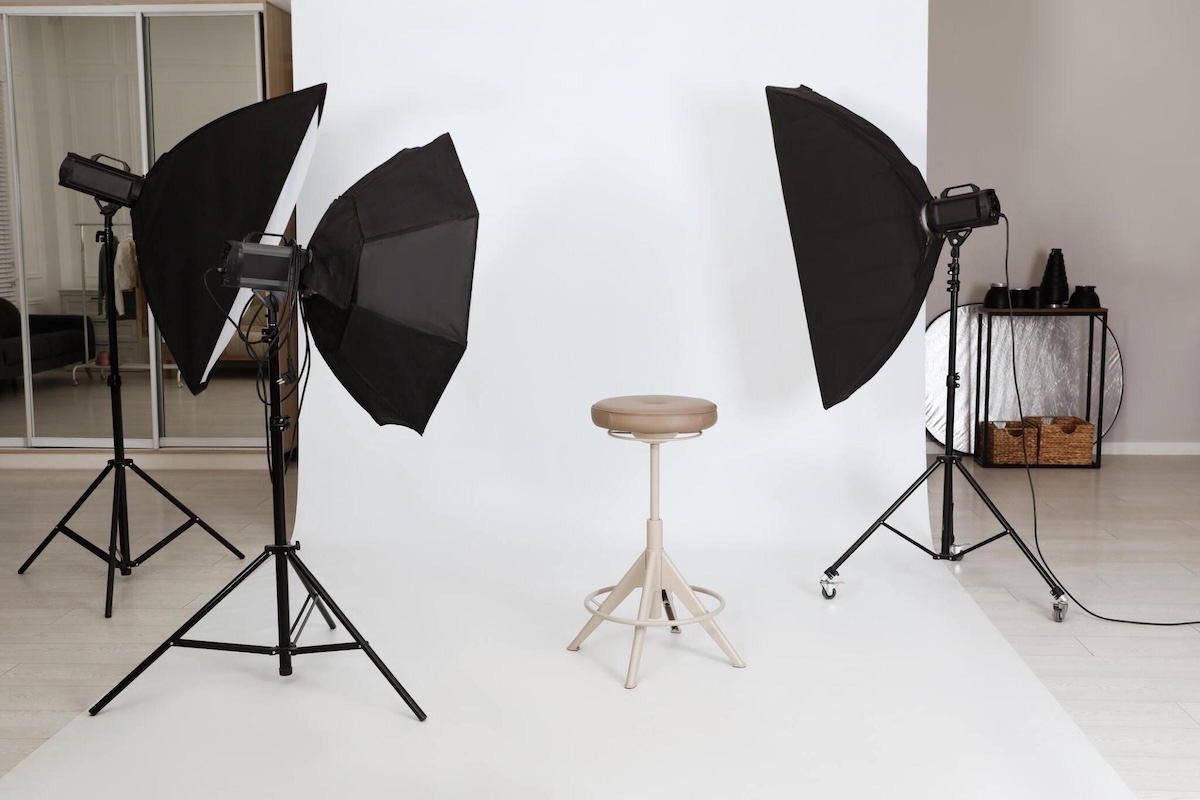
Controlled studio lighting removes the time-of-day variable entirely. Photographers can shoot consistent, repeatable results regardless of whether it's a bright afternoon or a rainy morning, which matters significantly for commercial or client work where reliability outweighs the specific aesthetic of natural light. It also allows precise control over shadow, contrast, and mood in ways natural light can't replicate on demand.
Why "Which One" Is the Wrong Question for Most Photographers
The most flexible studios combine both - strong natural light through well-placed windows, supplemented by artificial lighting for sessions running outside of ideal daylight hours. This lets photographers choose per session rather than being locked into one lighting style regardless of the shoot's needs or the time slot available.
What to Check Before Booking a Studio for Lighting-Dependent Work
A few practical questions matter more than most photographers realize before booking a studio: how much and what direction of natural light does the space actually get, and at what times of day is it strongest? Is supplemental lighting available on-site, or do you need to bring your own? And does the booking window (some studios close by early evening) accommodate the natural light hours you're planning around?
What's Available at Hello Venue
Hello Venue in Fairfax, VA operates from 8am to 10pm, giving photographers flexibility to plan sessions around whichever lighting approach suits the shoot - early or midday for natural light-heavy sessions, or later in the day for setups relying more on ambient studio lighting like fairy lights and warmer tones. hellovenueva.com outlines our Fairfax studio's amenities and lighting setup in more detail, which is worth reviewing before booking if lighting conditions are a deciding factor for your session.